Water Damage Clean Up Tips
Key Takeaway
Water damage gets worse with every hour. Mold can begin growing within 24–48 hours. Key prevention steps include roof inspections, proper drainage, and regular sump pump testing. If water damage occurs, remove electronics and furniture immediately, extract standing water, dry the area thoroughly, and disinfect. Professional restoration companies have the equipment and expertise to find hidden moisture and coordinate with your insurance company.
Water damage is one of the most common, and most damaging, problems a property owner can face. The faster you act, the more of your home and belongings you can save. Below we’ll cover how to prevent water damage in the first place, the steps to take if it happens, and why hiring a professional restoration company often saves you money in the long run.
Tips to Prevent Water Damage
Check Your Roof
Complete a visual check of your roof once or twice a year to ensure that there aren’t any signs of curling, cracking or missing shingles. These are signs your roof needs repairs. Putting off the repairs will cause a continuation of deterioration that will eventually result in costly water damage.
Maintain Proper Drainage
Poor drainage can weaken the foundation of your home, causing cracks and pathways through which water can enter. Clean your gutters regularly, otherwise, on a rainy day, a clogged gutter may send water spilling into the foundation of your home.
Be Mindful of Landscaping
Many plants and trees have very long sturdy roots that go deep into the ground. If they are planted near drainage pipes, septic tanks, or sprinkler systems they can cause problems and damage water lines. Keep this in mind before planting and planning your landscaping.
Limit the Use of Unclogging Chemicals
You’re bound to have a clogged drain at some point, no matter how clean you keep your sinks. Many people use powerful chemical agents to quickly get rid of the clogs. However, you should not make this a habit, as regular use of these chemicals can eat away at the pipes and cause damage. An alternative is a drain snake. It will clear your clogs without damaging the pipes.
Regularly Test Your Sump Pump
If you own a sump pump, test it regularly to see if the check valve is functioning properly and that water is being pumped out of the sump pit without flowing back into the basement.
To test it, fill the sump pump pit with water. This should trigger the check valve and the pump should turn on and start pumping water. If the pump is not functioning, have it fixed immediately in order to prevent potential water damage.
Keeping a Clean Basement
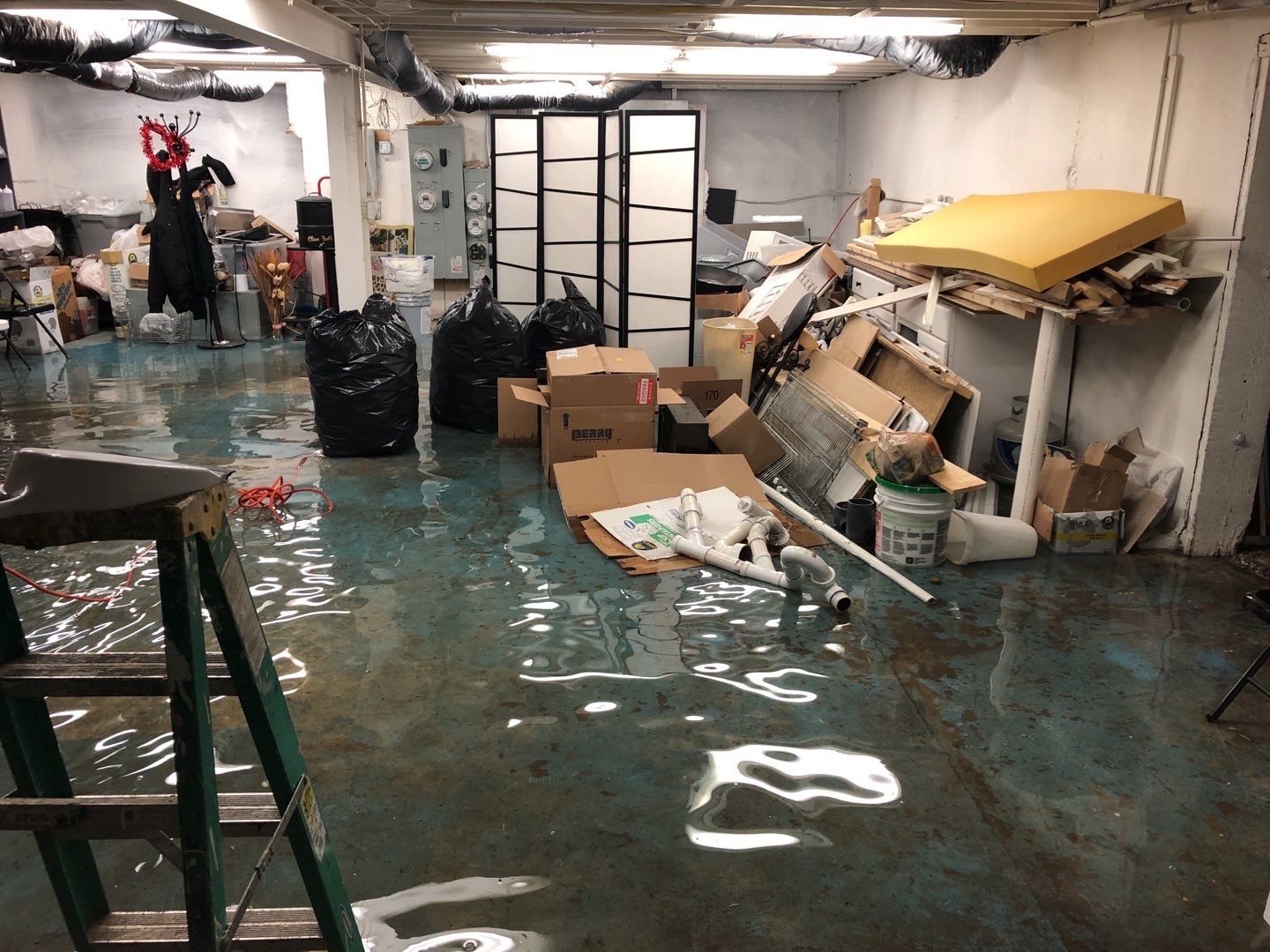
Basements often become a storage area for old clothing and furniture. Take the time each year to get rid of what you don’t need. Should your basement ever flood, you’ll be happy the excess clutter is gone. For the items that you want to keep, it’s best that you put them up high on shelves and in plastic storage bins.
Water Damage Clean Up Tips
Water in unwanted places can cause a lot of damage. Not only can it ruin your possessions, but it can also damage the structure of your home. Acting as quickly as possible is the key to minimizing the damage to your home and possessions. Pieces of furniture, and sometimes even carpets, can be saved with the proper cleaning.
Don’t treat flood water lightly. If your basement has an inch of water in it or is just damp, it can be the perfect environment for mold. Mold growth can ruin walls, furniture, carpets, and flooring, and lead to poor indoor air quality causing respiratory problems. Preventing mold growth is key to keeping your home’s air healthy.
Unplug Electronics, Move Furniture, Rugs, and Small Items
The faster you are in removing items from water, the more likely you’ll be able to salvage them, especially electronics. Your first step should be turning off the power in the affected area and moving all the electrical equipment. Next, pull up any carpets and underpadding. Remove other smaller items such as books, chairs, small pieces of furniture, and any other miscellaneous objects.
Remove the Water
If it is safe for you to do so, use a wet-dry vacuum to remove standing water. However, be careful and plug it into outlets far away from water. Don’t use an extension cord as the connection could short and shock you. Use towels, buckets and mops to soak up smaller pools of water on furniture, counters, and other surfaces.
Dry Out the Affected Area
Once you’ve soaked up all the water, use fans and a dehumidifier to help dry out the area. If possible, open windows to allow for additional air circulation. You want to dry the area out as quickly as possible. If the drywall was affected, you’ll probably have to cut away the areas that were touched by water as the drywall will crumble and possibly become moldy.
Disinfect
After the area has dried out, including floors, wood, insulation, and drywall, use a disinfectant to get rid of any bacteria that might have arisen due to the flood.
Why Hire a Water Damage Restoration Company?
Location of Hidden Water Damage and the Source of the Damage
The hardest part about dealing with water damage is trying to determine the full extent of the damage. Water is easily absorbed into building materials such as insulation, wood, and drywall, and if it is not fully removed, the damage will only increase and eventually lead to mold. Water damage restoration professionals know how to identify hidden water damage and moisture to prevent further damage.
Professional Equipment
Another advantage is that they use professional industrial equipment to ensure that excess water and moisture has been removed quickly. Powerful shop vacs, fans, and dehumidifiers are used to remove water completely from the air, structural elements, and furnishings in your home.
Quick Response
We will respond to your call 24/7 and will arrive within an hour in many cases to help contain the damage and prevent it from spreading. It’s very important to respond to water damage as quickly as possible because minor water problems can cause serious damage to your home and furnishings, as well as cause mold growth. Water damage restoration professionals work in teams so that different aspects of the restoration take place simultaneously.
Mold Remediation
One of the worst potential outcomes of water damage is the growth of mold. Once mold starts to form and grow it can cause damage to the surfaces that it grows on, including wood, drywall, insulation, furniture, etc. It also can cause allergic reactions and other negative health effects. Professionals will dry out the affected area quickly, which will lessen the possibility of mold growth. If mold does appear, mold remediation companies have the right equipment and cleaning products to remove mold.
Reduction of Health Risks
There are many potential health risks when dealing with water damage as the water may contain sewage and other bacteria that can cause negative health effects. Water damage technicians know how to deal with the bacteria and take the right measures to prevent adverse health effects.
Reduction of Overall Costs and Losses
While you may think that hiring a water damage restoration company will be more expensive, it may actually save money. Hiring a professional to restore your property will help prevent water from being absorbed into the building materials of your home, limiting the possibility of serious structural damage and out of control mold growth. Often your insurance company will help cover the costs as well.
Help with Insurance Claims
If your home or personal belongings are damaged due to excess water or moisture, it may be prudent to file an insurance claim. We work with insurance providers and can help with the paperwork needed to file a claim. And if your insurer suggests one of its own vendors, remember that you get to choose your own restoration company, not your insurance company.
Hiring a professional for water damage restoration has several benefits over DIY water damage restoration that will save you time and money in the long run. As soon as you notice water damage in your home or business, call us right away: (518) 859-9769.