How to Unfreeze Pipes
Key Takeaway
A small crack in a frozen pipe can leak up to 250 gallons of water a day. Pipes most at risk are those near exterior walls, in unheated basements, attics, and crawlspaces. Prevention steps include keeping cabinet doors open, letting faucets drip, and maintaining a thermostat of at least 60°F. If pipes burst, shut off the main water supply immediately and call a restoration company.
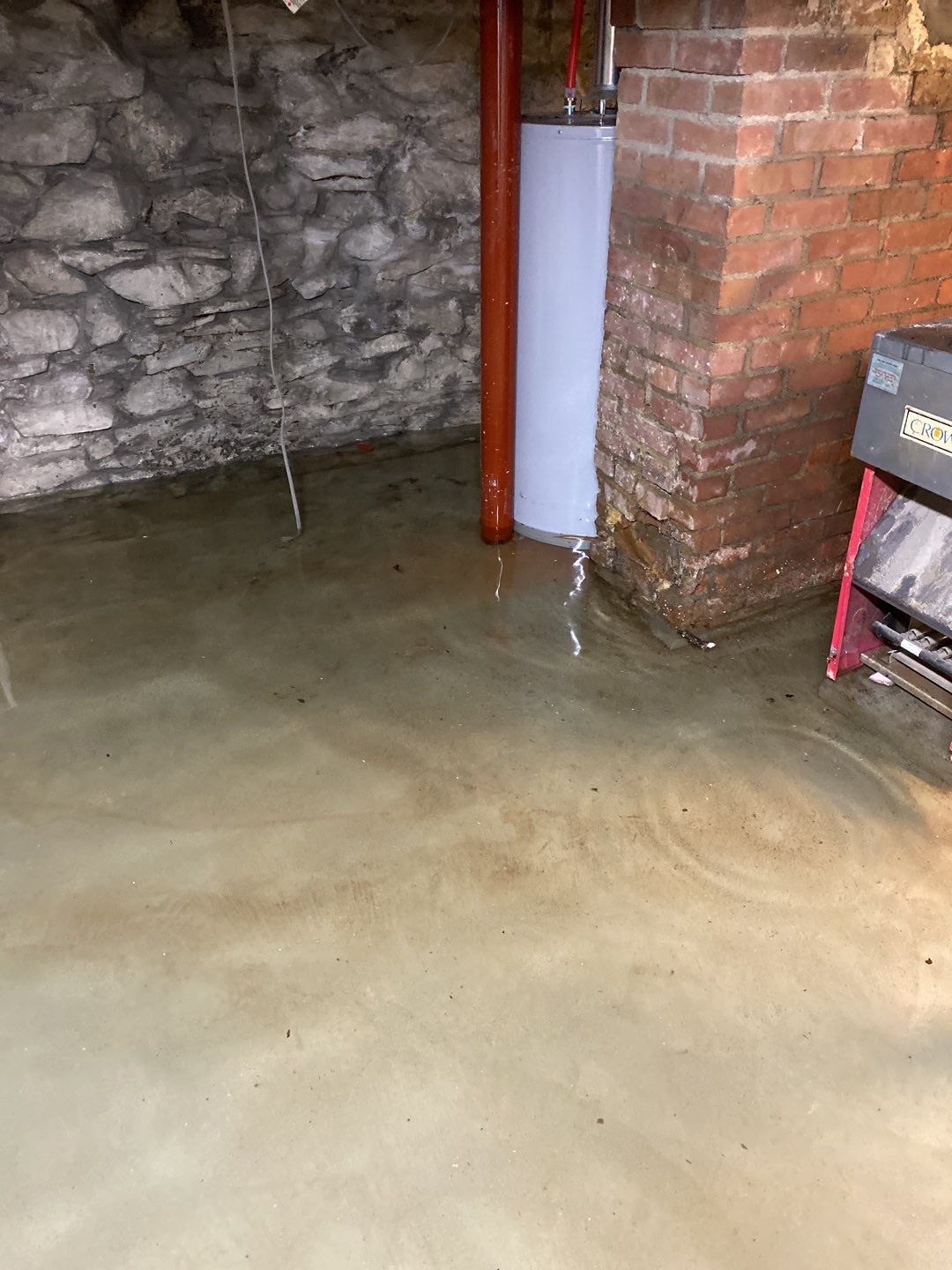
An all too common problem in the cold winters of upstate New York is frozen pipes. Some of the worst water damage in homes is when there is a burst pipe in the upstairs and the water seeps down to the first floor and the basement.
Water expands as it freezes, which creates pressure on whatever is containing it. Pipes that freeze most frequently are those that are exposed to severe cold, like unheated basements and crawl spaces, attics, garages, or kitchen cabinets. Pipes located near exterior walls that have little or no insulation are also subject to freezing.
A small crack in a pipe can leak up to 250 gallons of water a day, causing flooding, serious structural damage, and the immediate potential for mold. Our guide will cover how to prevent frozen pipes, how to unfreeze them, and what to do if they burst.
How to Prevent Frozen Pipes
Here are some steps you can take to help prevent your pipes from freezing and help you avoid water damage expenses:
Open cabinet doors
Keeping cabinet doors closed can block warm air, which contributes to making the pipes in the walls and cabinets cold. That’s why it’s important to keep cabinet doors open to encourage air circulation. This is most important for cabinets and closets around the perimeter of the home, since the outer walls of a home are often the coldest.
Keep faucets at a drip
Another good way to prevent frozen pipes during cold spells is to allow your faucets to drip because moving water doesn’t freeze as easily as standing water. If you anticipate that the temperature will drop into the 20s or below, it may be a good idea to let your faucets drip warm water before going to sleep.
Regulate temperature
Although many people try to save on heating costs by turning off their furnace or keeping their thermostat low, it can potentially lead to frozen pipes. It’s best practice to keep your thermostat at a minimum of 60 degrees or higher even if you aren’t at home.
How to Know If Your Pipes Are Frozen
A pipe coated in frost is a good sign that it’s frozen, but not all plumbing pipes are visible. If your water pressure lessens and your toilets aren’t refilling, then it’s a pretty sure bet that your pipes are frozen.
How to Thaw a Frozen Pipe
We do recommend that you call a professional to thaw your pipes, but if you do want to try to unfreeze your pipes yourself, here are some tips:
Shut off the water
Shut off the water to the faucet locally or at the main water shutoff valve. This will reduce the amount of water that may start to leak from the pipe if it bursts.
Open cabinet doors and faucets
Opening the cabinets under sinks and faucets will allow warm air to get to the pipes. Keeping the faucets open will help relieve pressure and allow the water to escape once the pipe begins to thaw.
Apply heat
Use a space heater, heat lamp or hair dryer to thaw the frozen length of pipe. Start looking for the frozen pipe by checking pipes along exterior walls, in basements, in crawl spaces, under sinks, in attics or any cold area of your home. In many cases, it is possible to feel along the pipe to determine the area where it is frozen.
Wrapping the pipes
Wrapping pipes with thermostatically controlled heat tape is also an effective way to quickly thaw a section of frozen pipe. You can also wrap the pipe with hot towels.
Turn up your thermostat
You can try to thaw a frozen pipe by increasing the temperature in your home. Turning the thermostat up may help the ice blockage to melt.
Don’t use a torch
Not only will you risk starting a fire, but a torch can also cause the water inside the pipe to boil, which can cause an explosion.
What to Do If Your Pipes Burst
If your pipes burst, you should immediately shut off the main water supply in your home or business. There is always a shutoff, often in the basement, and shutting the water off will help prevent further damage. Then call a reputable water damage restoration company, such as KPM Restoration. We have plumbers on staff that can fix your pipes so that your water is working again, and restoration water damage specialists that will dry and dehumidify the affected area. Although water loss from a pipe can at first seem minor, it can often seep into the floors and walls and cause significant damage if it isn’t properly dried.
Fortunately, homeowners insurance will often cover damage from burst pipes. We can work with your insurance company, and keep in mind that you have the right to choose your own restoration company even if your insurer recommends one of its preferred vendors.
Burst Pipes? Call us now for 24/7 emergency service: (518) 859-9769
Long Term Prevention
Long term prevention can be a major undertaking that includes steps such as installing additional insulation, replacing outdoor faucets with frost-proof models, or even rerouting pipes away from cold areas of your home.